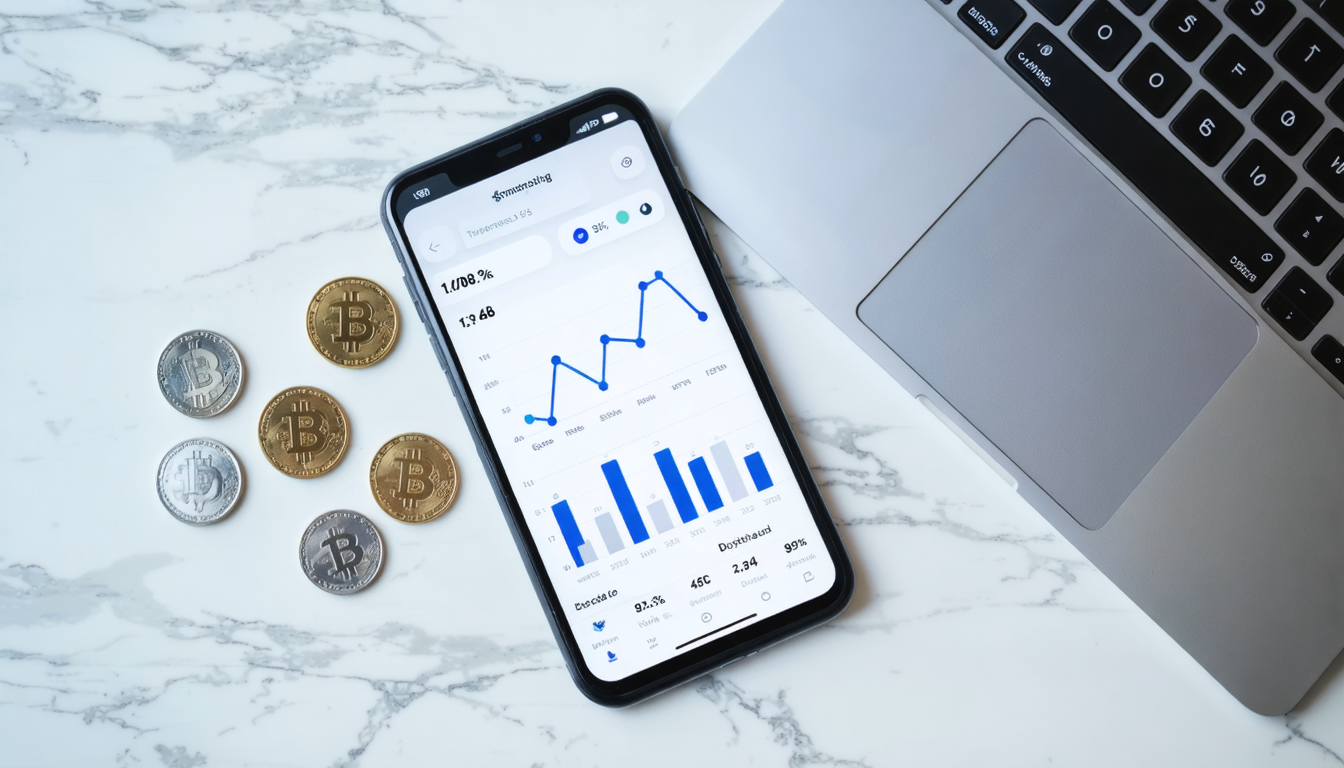
Building Wealth Through Micro-Investing: A 2025 Guide to Growing Your Money with Small Steps
In 2025, the barrier to entry for investing has never been lower. Micro-investing has transformed the financial landscape, enabling anyone with a smartphone and a few dollars to start building wealth. Whether you're a recent graduate, a young professional, or someone who's been intimidated by traditional investing, micro-investing offers a practical path to financial growth through small, manageable contributions.
What Is Micro-Investing and Why It Matters in 2025
Micro-investing refers to the practice of investing small amounts of money—often less than $10 at a time—into diversified portfolios, typically through mobile apps and digital platforms. Unlike traditional investing that once required thousands of dollars and a broker relationship, micro-investing democratizes wealth-building by eliminating minimum investment requirements and reducing fees.
The rise of artificial intelligence and fractional share purchasing has made micro-investing more sophisticated and accessible. In 2025, these platforms now offer institutional-grade portfolio management, tax optimization, and personalized investment strategies that were once available only to high-net-worth individuals.
The Psychology Behind Small-Step Wealth Building
The power of micro-investing extends beyond just the financial mechanics. Behavioral economics research shows that small, consistent actions create sustainable habits more effectively than sporadic large efforts. By investing small amounts regularly, you're building a wealth-creation mindset without the psychological burden of committing large sums that might cause anxiety or decision paralysis.
This approach also leverages the concept of "painless saving." When you invest $5 here or round up your coffee purchase there, you barely notice the money leaving your account, yet over time, these micro-investments compound into significant wealth.
Top Micro-Investing Strategies for 2025
1. Round-Up Automation
The most popular micro-investing strategy involves linking your debit or credit card to an investment app that automatically rounds up your purchases to the nearest dollar and invests the difference. Buy a $3.50 coffee, and $0.50 goes into your investment portfolio. With the average person making 15-20 transactions weekly, this can result in $30-40 invested monthly without any conscious effort.
2. Recurring Micro-Deposits
Set up automated transfers of small amounts—$5, $10, or $25—on a weekly or bi-weekly basis. This dollar-cost averaging approach means you're buying investments at different price points, reducing the impact of market volatility. In 2025's uncertain economic climate, this strategy provides a buffer against timing the market incorrectly.
3. Goal-Based Micro-Investing
Modern micro-investing platforms now offer goal-specific portfolios. Whether you're saving for an emergency fund, a vacation, a home down payment, or retirement, you can allocate different micro-investment streams to separate goals. This compartmentalization helps maintain focus and motivation as you watch each goal progress independently.
4. Cash-Back Investment Programs
Several platforms in 2025 have partnered with retailers to offer cash-back rewards that automatically funnel into your investment account. Shopping at partner stores can earn you 1-10% back, which gets invested immediately. This transforms everyday spending into wealth-building opportunities.
Choosing the Right Micro-Investing Platform
Not all micro-investing platforms are created equal. When selecting one in 2025, consider these critical factors:
Fee Structure: While many platforms advertise "no commission" trading, look carefully at subscription fees, management fees, and hidden costs. A $1-3 monthly fee might seem small, but on a $100 portfolio, that's a 12-36% annual cost—far exceeding returns. Opt for platforms with percentage-based fees or no fees for small accounts.
Investment Options: The best platforms offer diversified ETFs, individual stocks, cryptocurrency options, and socially responsible investing choices. Ensure your platform provides adequate diversification across asset classes, sectors, and geographies.
Educational Resources: Quality micro-investing platforms should educate users about financial literacy, market trends, and investment principles. Look for apps that offer tutorials, articles, and personalized insights to help you grow as an investor.
Security and Insurance: Verify that your chosen platform is SIPC-insured (protecting up to $500,000) and uses bank-level encryption. In 2025's cybersecurity landscape, this protection is non-negotiable.
Maximizing Returns on Micro-Investments
While micro-investing won't make you a millionaire overnight, strategic approaches can optimize your returns:
Start Early, Stay Consistent: A 25-year-old investing just $5 daily ($150 monthly) at an average 8% annual return will accumulate approximately $350,000 by age 65. The power of compound interest over four decades turns modest contributions into substantial wealth.
Reinvest Dividends: Always enable dividend reinvestment. Those small quarterly payments, when automatically reinvested, accelerate your compound growth significantly.
Gradually Increase Contributions: As your income grows, incrementally increase your micro-investing amounts. Moving from $5 to $10 daily might seem minor, but it doubles your potential wealth accumulation.
Tax-Advantaged Accounts: Many micro-investing platforms now offer IRA options. Contributing to a Roth IRA through micro-investing lets your money grow tax-free, significantly boosting long-term returns.
Common Micro-Investing Mistakes to Avoid
Even with small amounts at stake, poor decisions can hinder your progress. Avoid these pitfalls:
Don't check your portfolio obsessively. Market fluctuations are normal, and micro-investing is a long-term strategy. Frequent checking often leads to emotional decision-making and selling at the wrong times.
Don't ignore portfolio diversification. Even with small amounts, spreading investments across stocks, bonds, and other assets reduces risk. Most platforms offer pre-built diversified portfolios—use them.
Don't neglect high-interest debt. If you're carrying credit card debt at 20% interest, prioritize paying that down before micro-investing. The guaranteed 20% "return" from debt elimination exceeds most investment returns.
The Future of Micro-Investing Beyond 2025
As technology advances, micro-investing will likely become even more integrated into daily life. Expect AI-driven personalization, blockchain-based fractional ownership of real estate and collectibles, and seamless integration with digital wallets and cryptocurrency systems.
The democratization of wealth-building through micro-investing represents a fundamental shift in financial accessibility. By starting small, staying consistent, and thinking long-term, anyone can participate in wealth creation regardless of their current financial situation.
Internal linking suggestions: 1) Link "traditional investing" to an article about conventional investment strategies, 2) Link "emergency fund" to financial planning basics article, 3) Link "dollar-cost averaging" to investment strategy guide
Image alt text suggestions: 1) "Smartphone displaying micro-investing app with growing portfolio graph", 2) "Coins and dollar bills arranged to show gradual wealth accumulation", 3) "Young professional reviewing investment returns on mobile device"